Updated September 2026
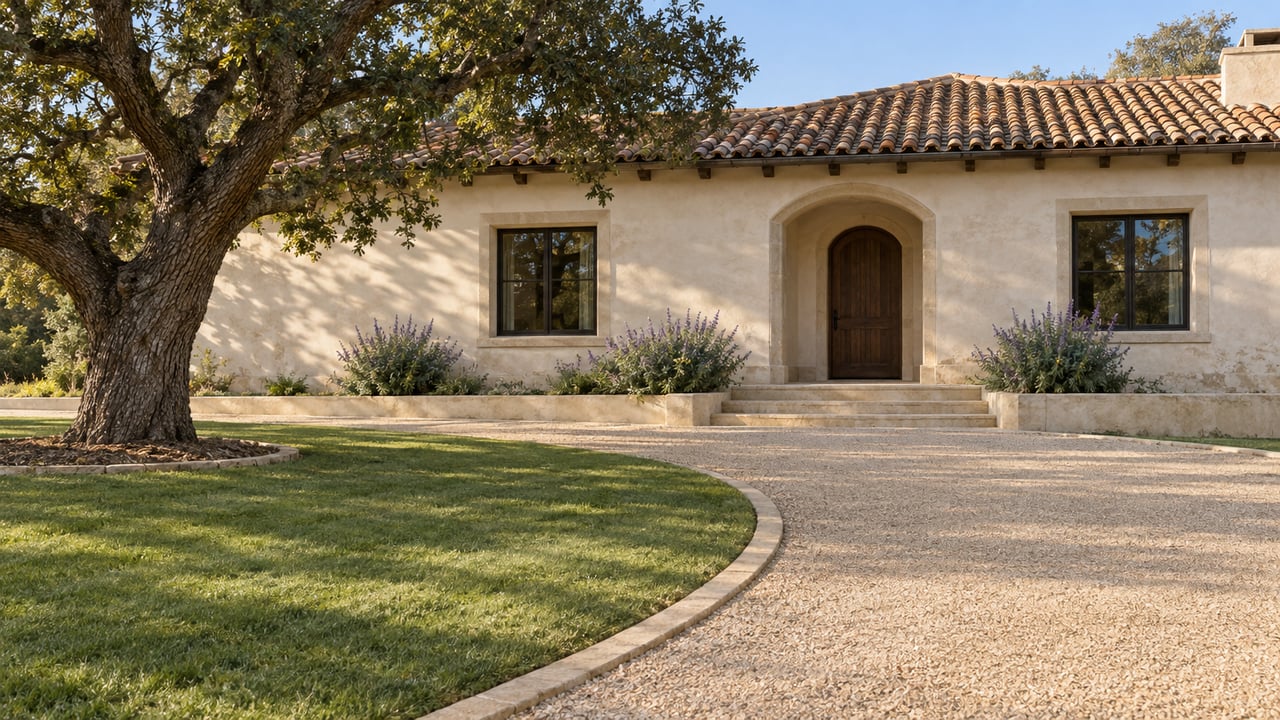
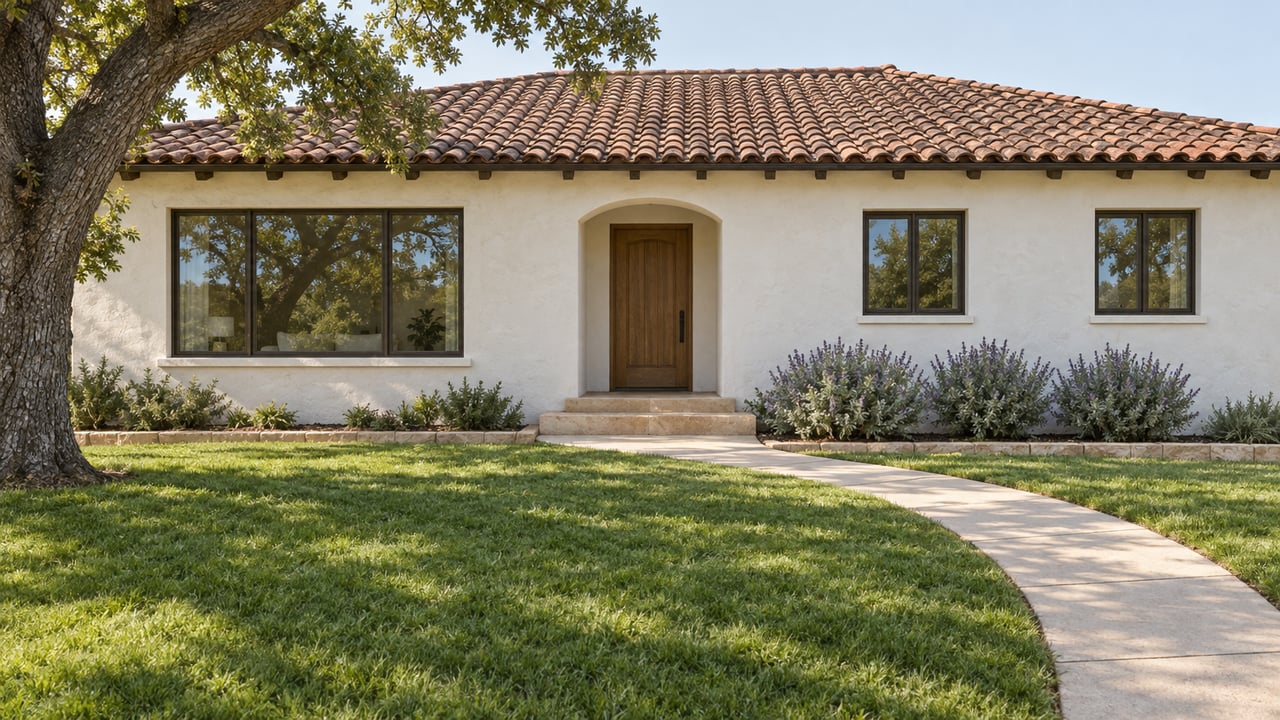
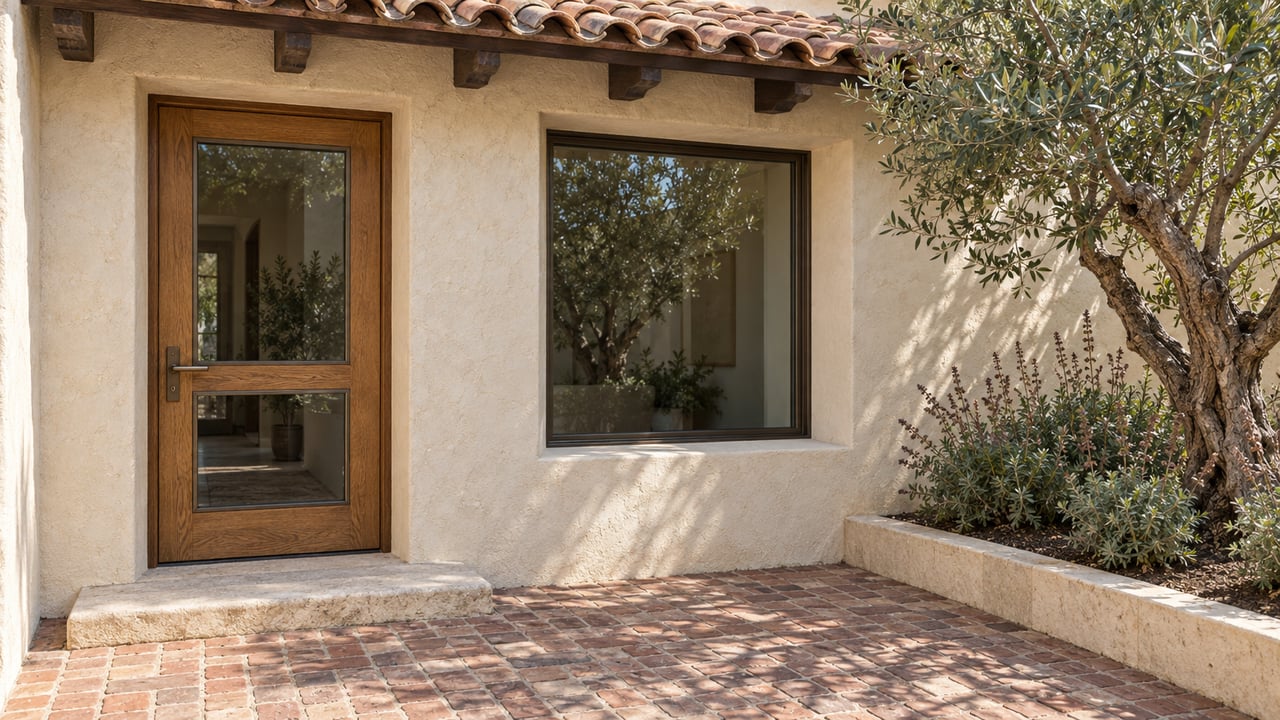
Buying a new construction home in Santa Barbara means competing for one of the rarest property types in the local market, since design review, coastal permitting rules, and a near-total lack of vacant land keep the number of newly built houses here in the dozens each year rather than the hundreds. For the buyers who do find one, a new build offers something almost no resale home in this market can match: full compliance with the state's current energy code, ember-resistant construction under California's wildfire-hardening standards, and a legal builder's warranty that a 1920s Spanish Colonial or a 1970s ranch home simply doesn't carry. This guide covers why new construction is so hard to find in Santa Barbara, where it's actually being built in 2026, and what buyers gain and give up by choosing it over a resale property.
Key Takeaways
- New construction is scarce in Santa Barbara because of layered design review (ABR and, in historic districts, the Historic Landmarks Commission), overlapping Coastal Zone permitting, and a citywide 30-foot height limit that caps density on what little vacant land remains.
- Most new homes show up in Goleta communities like Storke Ranch or as one-off teardown-rebuilds on infill lots in neighborhoods such as San Roque, the Mesa, and Samarkand.
- New homes must meet the state's current Title 24 energy code and, in wildfire-exposed foothill and Montecito locations, Chapter 7A ignition-resistant construction standards.
- California's Right to Repair Act (Civil Code Section 900 and following) gives new-construction buyers a legal warranty resale homes don't come with, including up to 10 years of coverage for structural defects.
- New construction generally costs more per square foot than resale and leaves less room to negotiate, so buyers should weigh those trade-offs before committing.
Why is New Construction So Scarce in Santa Barbara?
New homes are rare here because three separate systems, city design review, state coastal law, and a decades-old height cap, all limit what can get built and how fast. Each adds time, cost, or both before a single foundation gets poured.
The Architectural Board of Review Shapes Every New Design
The Architectural Board of Review (ABR) has final say over the exterior design of nearly every new home in the city, and it has held that authority since 1922. The board meets on a two-tier schedule: a Consent Calendar most Mondays at 1 p.m. for routine matters, and a Full Board session every other Monday at 3 p.m. for substantive new construction. Its mandate is broad by design, protecting "the natural charm and beauty" of Santa Barbara along with its historical architectural character, which is exactly why the city's Spanish Colonial Revival look isn't an accident. It gets enforced parcel by parcel, plan by plan.
Projects that fall within a historic district, including the El Pueblo Viejo Landmark District downtown, face a second discretionary body on top of the ABR: the Historic Landmarks Commission. A builder can spend months moving a single house design through two separate hearing bodies before construction even starts. The city adopted Objective Design Standards in early 2025 to let certain housing projects bypass some of that iterative back-and-forth, but the change applies mainly to multi-family development, not the one-off custom home a typical buyer is hoping to find.
Coastal Zone Permitting Adds a Second Layer
Much of Santa Barbara south of Highway 101, along with bluff-top and waterfront parcels elsewhere in the city, sits inside the California Coastal Zone, which means a new home there needs a Coastal Development Permit in addition to standard city approvals. That permit brings its own review criteria around public view corridors, bluff setbacks, and beach access, and it can be appealed to the California Coastal Commission even after the city signs off. Buyers researching a lot near the water should budget real time for this step; it rarely moves on the same clock as a standard building permit.
A 30-Foot Height Limit and Almost No Vacant Land Left
Santa Barbara caps building height at 30 feet in its single- and two-family residential zones, measured from natural or finished grade, whichever is lower. Combined with a city that has been substantially built out since growth-management limits took hold in the 1970s and '80s, there simply isn't much raw land left to subdivide within city limits. New supply mostly comes one lot at a time rather than in large developments, which keeps inventory tight for buyers who want a home nobody has lived in before. For more on how that scarcity plays out for buyers day to day, see 7 Challenges and Their Solutions for Home Buyers in Santa Barbara, CA and Understanding Santa Barbara, CA Housing Inventory: Supply and Demand.
Where New Construction Is Actually Happening in 2026
New construction in the Santa Barbara area falls into two distinct categories, and knowing which one applies to a given search changes how a buyer should shop. The first is planned new-home communities just outside the city's tightest review zones; the second is single-lot infill within it.
Planned communities in Goleta. Storke Ranch, a master-planned neighborhood near the Goleta coastline, is one of the few places in the area where buyers can currently choose from newly built detached homes and townhomes rather than waiting for a one-off listing. Goleta's zoning and entitlement process moves faster than the city of Santa Barbara's, which is a large part of why builders have concentrated new product there. For a fuller picture of that market, see Goleta Real Estate Explained for Buyers/Sellers, Condo and Townhome Living Options in Goleta, and the Home Buyer's Guide to Goleta Micro-Neighborhoods.
Infill teardown-rebuilds inside the city. Inside Santa Barbara proper, most "new construction" is a single house replacing an older one on the same parcel rather than a new subdivision. This pattern shows up most often in neighborhoods like San Roque, the Mesa, and Samarkand, where lot sizes and location make a full rebuild worthwhile despite the ABR process. Buyers hunting for these homes need an agent watching for teardown listings and pending permits, not just active new-construction inventory, since many never get marketed as "new construction" at all until the certificate of occupancy is already in hand.
Local Tip: Because so few new homes get built inside city limits in a given year, the ones that do rarely sit on the market long. Buyers serious about new construction should ask about pending Architectural Board of Review approvals and building permits before a home is even listed for sale, not after.
The Real Advantages of Buying New in This Market
Built to the Current Title 24 Energy Code
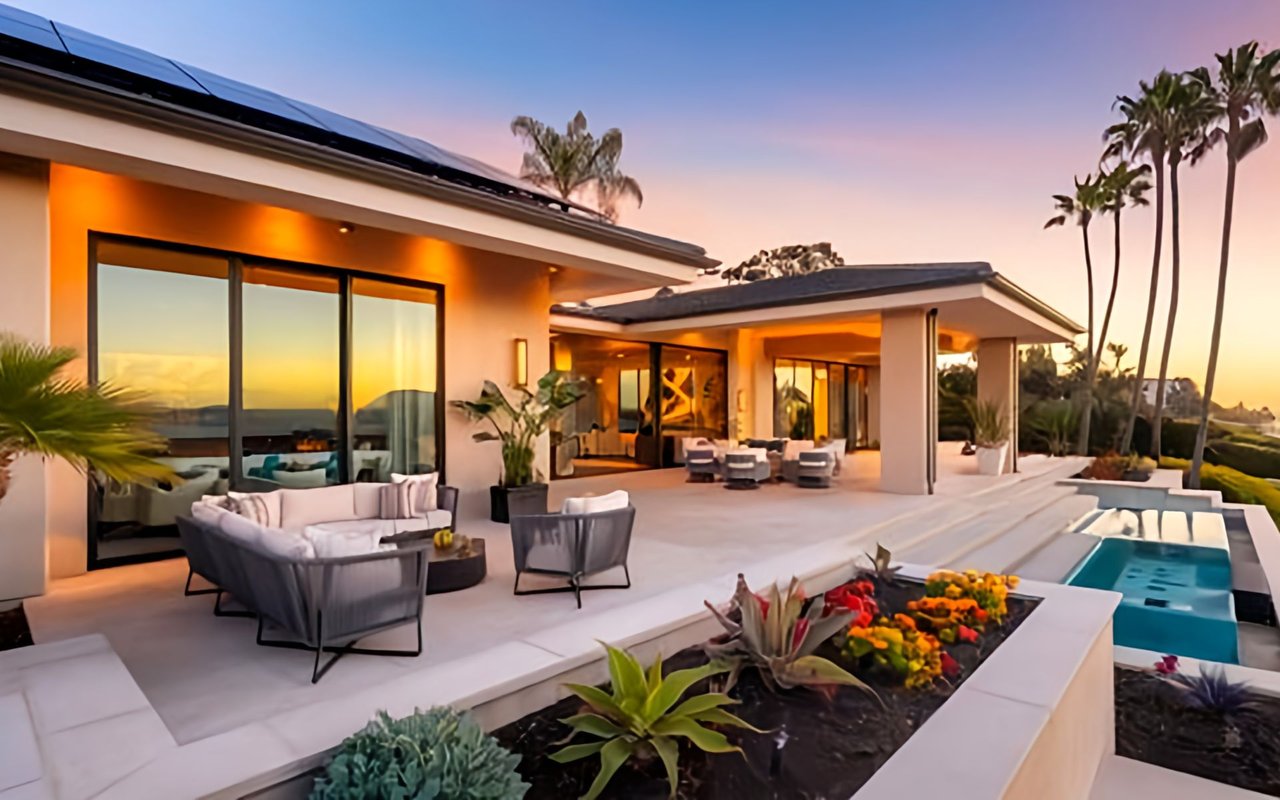
Every new home in Santa Barbara has to meet California's Title 24 energy standards as they stand today, not as they stood when most of the city's housing stock went up decades ago. That means mandatory solar photovoltaic systems on new low-rise residential construction, tighter building envelopes and insulation requirements, high-efficiency water heating and HVAC, and electrical circuits wired for EV charging. The 2025 code cycle added battery storage requirements for certain building types on top of that. A new home in Santa Barbara arrives with utility costs and a carbon footprint that a 1920s bungalow or 1970s ranch, however well-loved, was never designed to match.
Ember-Resistant Construction Under Chapter 7A
New homes in Santa Barbara's foothill neighborhoods and in much of Montecito must meet Chapter 7A of the California Building Code, the state's ignition-resistant construction standard for the wildland-urban interface. That means Class A fire-rated roofing, dual-pane tempered-glass windows, ember-resistant vents, noncombustible siding and decking within five feet of the structure, and enclosed eaves that don't give embers a place to collect. Since the Thomas Fire in 2017 and the Montecito debris flow the following January, insurers have grown far more selective about which homes in these zones they'll cover at all, and a Chapter 7A-compliant new build is often the difference between an affordable policy and a hard decline. Buyers considering a resale home in these same foothill areas should read the connected challenges around securing coverage in 7 Challenges and Their Solutions for Home Buyers in Santa Barbara, CA.
A Legal Warranty Resale Homes Don't Have
California's Right to Repair Act, codified at Civil Code Section 900 and following, gives buyers of new construction a warranty structure that simply doesn't exist for resale property. Coverage runs up to 10 years for structural defects, 5 years for issues with paint and stains, 4 years for plumbing, electrical, and walkway problems, and 1 year for general fit-and-finish items. Many builders layer their own workmanship warranty on top of these statutory minimums. Buyers of a resale home, by contrast, are generally limited to whatever third-party home warranty plan they choose to purchase at closing, with none of the legal recourse against an original builder. New construction shifts real risk off the buyer, which matters in a market where deferred maintenance on older homes can run into six figures.
Main Takeaway: New construction is one of the only ways to buy a Santa Barbara home with a legally enforceable structural warranty already built in, rather than relying on a third-party home warranty plan purchased at closing.
Systems and Layouts Built Around How People Actually Live Now
New builds in the area tend to favor open kitchen-to-living layouts, primary suites separated from secondary bedrooms, and direct sightlines to outdoor living space, features that reflect both current buyer preference and Santa Barbara's climate. Wiring, plumbing, and HVAC systems are also new from day one, which means no surprise repiping or panel upgrades in year one of ownership, a cost that catches many buyers of older Santa Barbara homes off guard.
What to Weigh Before Buying New Construction
New construction isn't the right fit for every buyer, and it's worth being clear-eyed about the trade-offs before searching:
- Price per square foot runs higher than resale. Land, coastal permitting, and code compliance all cost more in Santa Barbara than in most of the state, and new construction carries that cost directly.
- Negotiating room is limited. Builders in planned communities like Storke Ranch typically price by phase and hold firm, unlike a private seller who may negotiate on price or terms.
- Landscaping and mature trees take years to establish. A new lot won't have the oak canopy or established garden a 1930s Riviera property might.
- HOA dues often apply. Planned communities frequently carry association fees that a standalone infill rebuild would not.
Buyers still need standard title insurance on a new-construction purchase, even on a lot that has never had a home on it before, since ownership and easement history attach to the land itself. Title Insurance Essentials for Santa Barbara and Montecito Homebuyers covers what that process looks like.
Finding New Construction Before It Hits the Market
Because so little of it exists, most new construction in Santa Barbara moves through word of mouth, builder waitlists, and pending permits long before a sign goes up. Kendrick Guehr and the Guehr Group track Architectural Board of Review filings, Storke Ranch releases, and infill teardown activity across Santa Barbara, Montecito, and Goleta, and work directly with buyers looking for a home built to today's code rather than decades ago. Anyone weighing new construction against a resale purchase in this market can browse current listings or reach out directly to start the conversation.