Updated September 2026
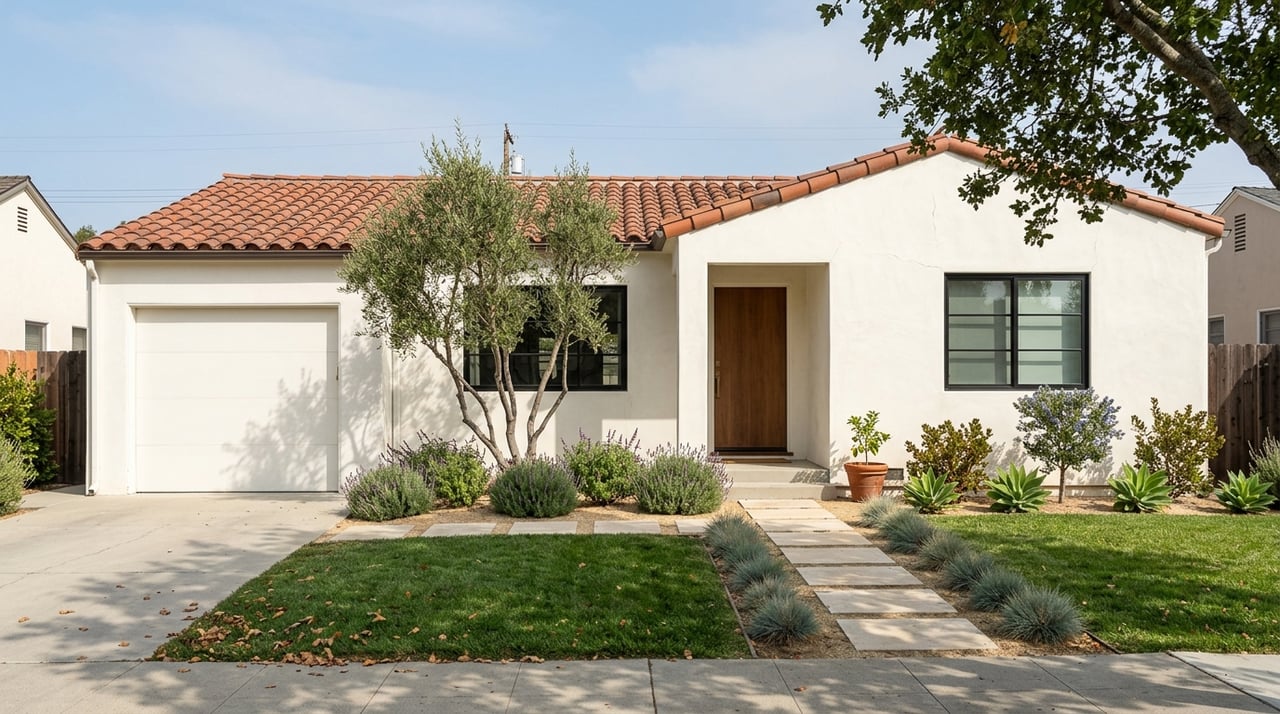
Boosting a Montecito, CA home's value before selling means targeting the four things luxury buyers in this market actually pay a premium for: privacy, land, fire resilience, and architectural integrity, not generic fixes borrowed from a national home-improvement checklist. A one-acre estate behind a hedge in the Golden Quadrangle competes on different terms than a suburban tract home, and the improvements that move the needle here look different too. Sellers who understand which upgrades Montecito buyers actually weigh, from defensible-space compliance to how a kitchen refresh reads against a 1920s Spanish Colonial Revival facade, walk into a listing with real pricing leverage instead of guesswork.
The seven strategies below reflect what is currently working in the Montecito luxury market: a market shaped by wildfire insurance pressure, a fast-changing ADU permitting process, and buyers who are shopping for a way of life as much as a floor plan.
Quick Reference: Where to Focus Before Listing
# | Strategy | Typical Investment | Why It Matters in Montecito |
|---|---|---|---|
1 | Fire-harden the property | $2,000–$15,000+ (up to $10,000 reimbursable) | Affects buyer financing and insurability, not just curb appeal |
2 | Upgrade landscaping and privacy screening | $5,000–$50,000+ | Privacy and grounds often outweigh square footage in pricing |
3 | Add or entitle an ADU | $150,000–$400,000+ (or plans only) | New county program cuts permitting cost and time |
4 | Build out outdoor living space | $20,000–$150,000+ | Indoor-outdoor living is the core of the local lifestyle |
5 | Refresh the kitchen and primary suite | $25,000–$150,000+ | Full remodels rarely recoup cost; targeted updates do |
6 | Order a pre-listing inspection | $500–$1,500 | Hillside lots carry site-specific risks buyers will find anyway |
7 | Stage to highlight architecture | $3,000–$25,000 | Buyers are often paying for pedigree, not just finishes |
1. Fire-Harden the Property to Protect Value and Insurability
Fire hardening now affects a Montecito home's marketability before a single buyer ever tours it, because insurance underwriting and lender risk models increasingly factor in defensible space compliance. Since the 2017 Thomas Fire and the debris flow that followed, insurers have grown far more selective about which Montecito properties they'll cover at standard rates, and a growing number of homes rely on the California FAIR Plan as a backstop. A seller who can document hardening work removes one of the first questions a buyer's agent and lender will ask.
The Montecito Fire Protection District's Home Hardening Assistance Program reimburses eligible homeowners up to $10,000 for wildfire-resistant retrofits completed on or after January 1, 2025, following a required defensible space inspection. Qualifying work includes:
- Clearing combustible mulch, vegetation, and overhanging branches within 5 feet of the structure (Zone 0) and replacing it with gravel, pavers, or concrete
- Installing ember-resistant vents from the State Fire Marshal's approved product list
- Upgrading to Class A roofing materials and sealing roof gaps with bird stops
- Replacing single-pane windows with dual-pane tempered glass
- Swapping wood fencing and decking near the house for non-combustible alternatives
Local Tip: Keep the defensible space inspection report and any permits or receipts from hardening work in the listing file. Buyers' insurance agents ask for exactly this documentation when quoting a policy, and having it ready can shave days off closing.
Sellers weighing which maintenance items to prioritize across a full year can find a broader seasonal checklist in Montecito, CA Through the Seasons: Home Maintenance Tips for Every Time of Year.
2. Invest in Landscaping and Privacy Screening Estate Buyers Expect
Privacy and grounds routinely outweigh interior square footage when Montecito buyers compare estates, so landscaping dollars spent on screening and arrival sequence tend to outperform dollars spent inside the house. A long gated driveway and layered hedging along the property line set the tone before a buyer ever reaches the front door. In enclaves like the Golden Quadrangle and the Hedgerows, where lot size and seclusion are the whole point of the address, thin or overgrown screening reads as deferred maintenance even when the house itself is in excellent condition.
Coordinate landscaping choices with the fire-hardening work from the first section rather than treating them separately. Keep the 5-foot perimeter around the structure non-combustible, then let denser, layered plantings do the privacy work farther from the house. National cost-vs-value data consistently shows smaller exterior projects, such as garage door replacement or manufactured stone veneer accents, recouping well over their cost at resale, while big interior remodels lag behind. The same logic applies to grounds: a refreshed entry gate and clean hardscape edges cost a fraction of what a kitchen gut does and often move a buyer's first impression more.
Sellers in a gated or guarded community should also review A Guide to Montecito's Gated and Guarded Communities for HOA rules that can affect what landscaping or gate changes are even permitted before listing.
3. Is Adding an ADU Worth It Before Selling a Montecito Home?
Adding an accessory dwelling unit is worth it for many Montecito sellers because it gives luxury buyers flexibility they're actively shopping for: guest quarters, staff housing, a home office separate from the main house, or rental income. Santa Barbara County made this considerably easier in 2026 by rolling out free preapproved ADU plans in four sizes, from a 448-square-foot studio to a 909-square-foot three-bedroom unit, in a choice of architectural styles including farmhouse, Mediterranean, and mid-century.
The preapproved program also changes the cost math. County planning staff cite a recent 800-square-foot custom ADU that carried roughly $7,200 in permitting fees; the same size under the preapproved program runs a flat $4,200, a savings of about $3,000 before construction even starts. Timelines shrink too, since the county isn't reviewing custom architectural plans from scratch.
The program does have real limits worth knowing before assuming it applies. Properties in coastal zones, flood hazard areas, or on steep slopes, which describes a fair number of Montecito hillside lots, can't use the preapproved plans and still need site-specific review. A seller doesn't necessarily need a finished ADU to benefit; entitled plans or an approved permit set in hand can be nearly as persuasive to a buyer as a completed structure, and preserves flexibility around the Montecito luxury home selling timeline a seller is working with.
4. Build Outdoor Living Space Buyers Can't Get Anywhere Else
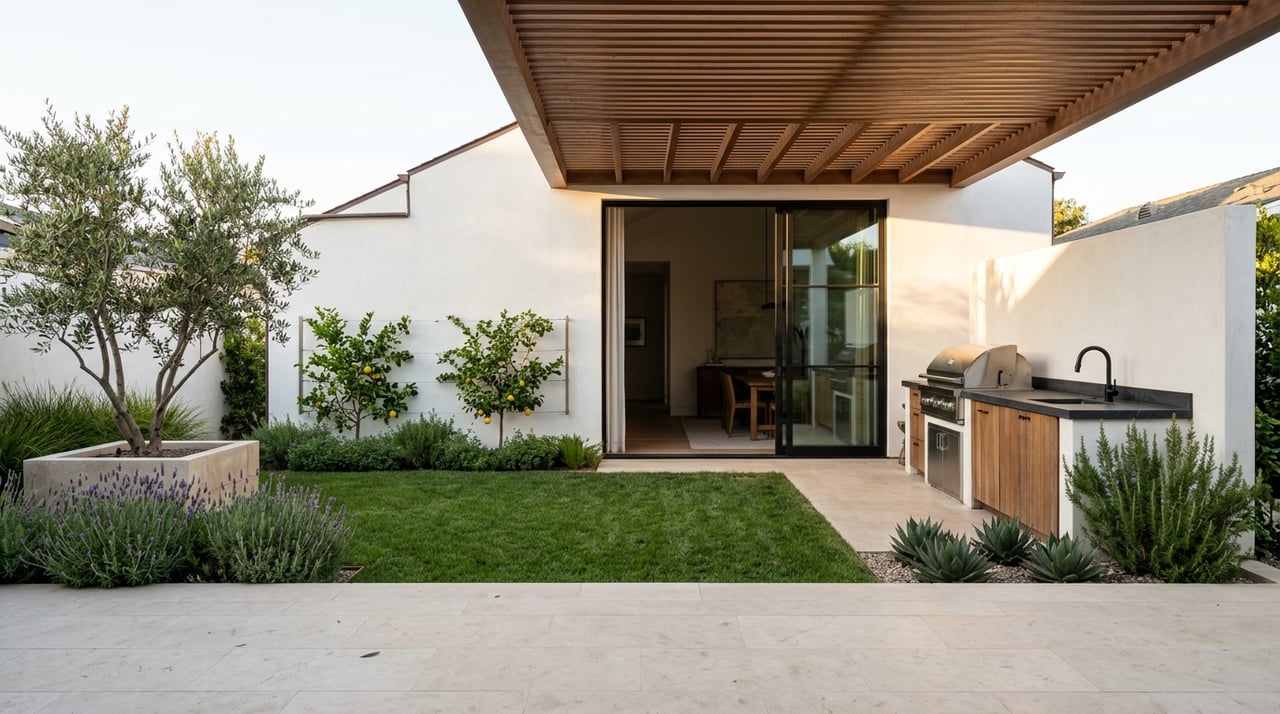
Outdoor living space carries outsized weight in Montecito because the climate makes it usable nearly year-round, turning a pool deck, loggia, or outdoor kitchen into a genuine second living area rather than a seasonal amenity. National data on deck additions shows returns in the neighborhood of 75 percent of cost at resale, and well-built outdoor rooms in a climate this mild tend to perform at the high end of that range because buyers use the space so much of the year.
The strongest outdoor upgrades echo the architecture of the house rather than competing with it. A few examples:
- A covered loggia with wood beams and reclaimed tile reads as original to a Spanish Colonial Revival estate; a glass-and-steel pergola on the same house does not.
- Fire-safe outdoor fireplaces and heaters extend evening use through the Montecito's mild winters.
- A pool positioned to frame a mountain or ocean view often matters more to a buyer than the pool's finish or size.
Sellers weighing which exterior projects fit their home's style can review current direction in Design Choices That Attract Montecito Luxury Buyers before committing a budget.
5. Should You Remodel the Kitchen or Primary Suite Before Selling?
Most Montecito sellers should refresh the kitchen and primary suite rather than fully remodel either one, because national cost-vs-value data shows upscale major kitchen remodels recouping roughly 40 percent of their cost at resale, while a mid-range refresh, updated counters, hardware, lighting, and appliances, tends to land much closer to breakeven and removes the objections that make buyers negotiate hard. Building a primary suite addition from scratch this close to a sale is an even tougher case financially, with upscale additions recouping only around a third of their cost nationally.
Main Takeaway: At the top of the Montecito market, a well-scoped refresh almost always outperforms a full renovation on a dollar-for-dollar basis. The goal is removing objections, not rebuilding the house.
Where the money is better spent is the primary bathroom: an updated vanity and a properly finished walk-in shower carry disproportionate psychological weight with buyers comparing several estates in the same price range. Before scoping any project, sellers should read 7 Tips for Home Remodeling in Montecito, CA and Best ROI Home Improvements for Your Santa Barbara Home, and weigh contractor timelines against listing timing using Should You Hire a Contractor or Do It Yourself: Pros and Cons Explained.
6. Order a Pre-Listing Inspection Before Hillside Issues Surprise a Buyer
A pre-listing inspection surfaces the site-specific problems common to Montecito's older, architecturally significant hillside properties before a buyer's own inspector finds them during escrow. Retaining walls, drainage and grading, septic systems on older estates that predate municipal sewer lines, and aging clay tile roofs all show up more often here than in a typical suburban inspection, given the terrain and the age of the housing stock.
Finding these issues first gives a seller two real options: fix what's affordable and disclose the rest with documentation, or price the home to reflect known condition and avoid a renegotiation fight two weeks before closing. Either path beats a surprise that resets buyer expectations mid-transaction. Sellers who want a fuller walkthrough of what an inspector actually checks can reference the Essential Guide to Home Inspections Before Selling Your Property.
7. Stage the Home to Sell Its Architecture, Not Just Its Rooms
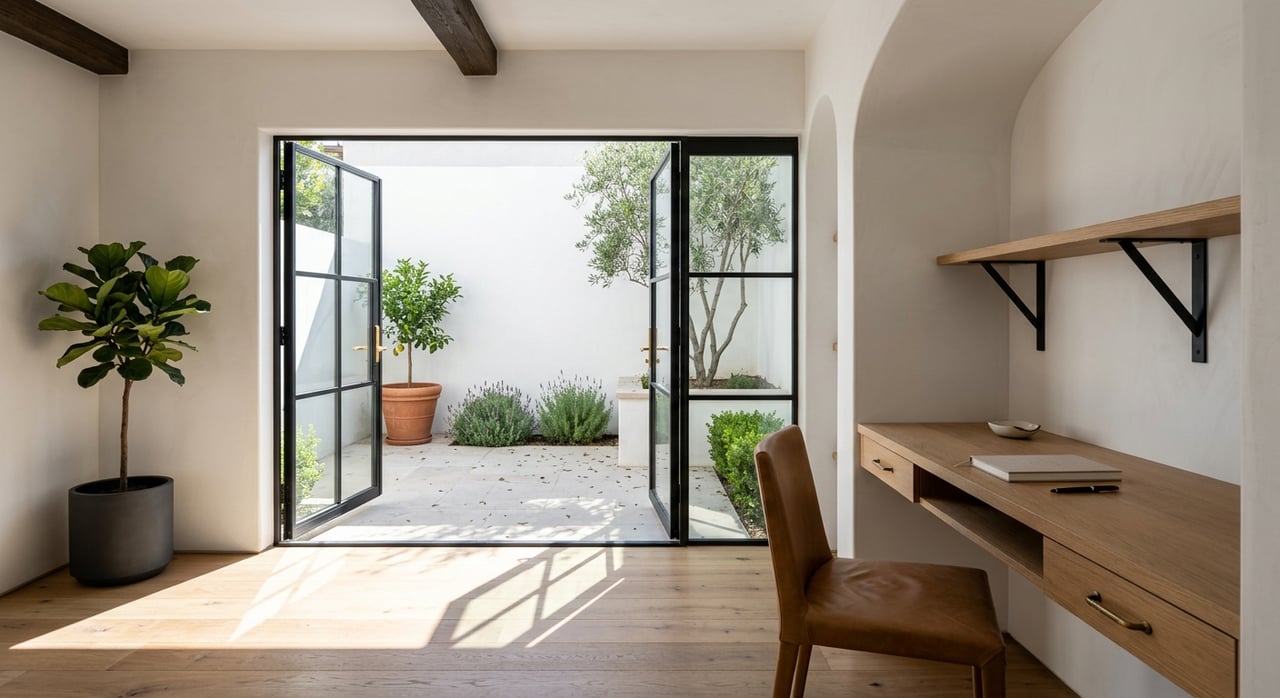
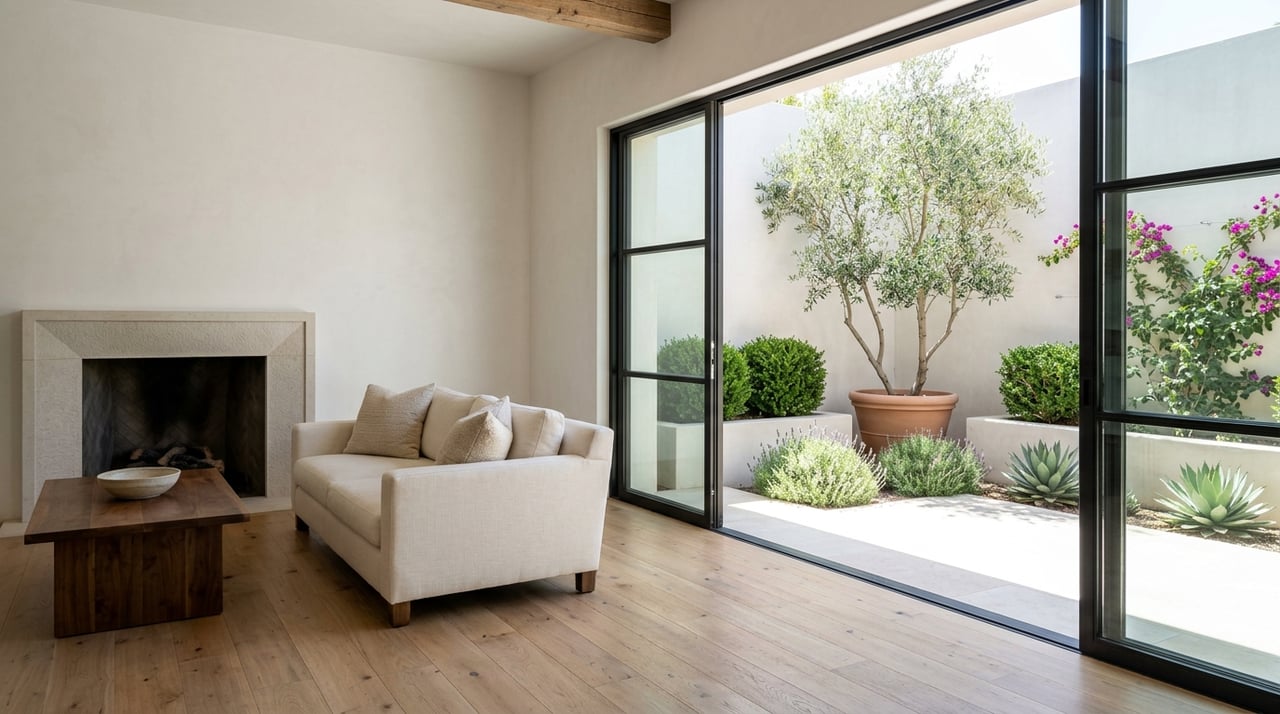
Staging a Montecito estate should draw attention to the architecture the buyer is actually paying for, since a meaningful share of this market's inventory carries real pedigree, from Spanish Colonial Revival estates tied to architect George Washington Smith to Mediterranean villas and Craftsman-era homes. Furniture and staging choices that cover archways, hand-forged ironwork, or exposed wood beams work against the sale rather than for it. The goal is to frame those details, not compete with them.
A few staging priorities specific to this market:
- Photograph and show the home at twilight when the grounds and outdoor living space are part of the story, not just the interior.
- Keep furniture scaled to the rooms; oversized pieces make generous Montecito floor plans feel cramped in photos.
- For high-profile sellers, consider a private, pre-market showing period before the home hits public portals.
For homes needing a heavier design update before listing, Interior Design Tips for Your Montecito, CA Home and Architectural Landmarks in Montecito, CA are useful starting points. Sellers who need discretion throughout the process, not just at staging, should also read Planning a Discreet Sale of Your Montecito Estate.
Putting the Right Improvements in the Right Order
None of these seven strategies carry equal weight for every property, and sequencing matters. A hillside estate with an aging roof gets more value from fire-hardening and a pre-listing inspection than from a kitchen refresh. A flat, gated lot in a prime enclave might benefit more from landscaping and an ADU. Running a current home valuation before committing a budget helps confirm which upgrades a given price point can actually support.
Sellers preparing a Montecito estate for market can find a fuller pre-listing checklist in the Luxury Home Listing Checklist for Santa Barbara Sellers, and general guidance on the local process at the sellers resource page. Kendrick Guehr has guided Montecito homeowners through exactly these decisions, from scoping a pre-listing renovation budget to timing a sale around permitting and market conditions. Sellers weighing where to start can reach out directly to talk through which of these seven strategies fits their property and timeline.