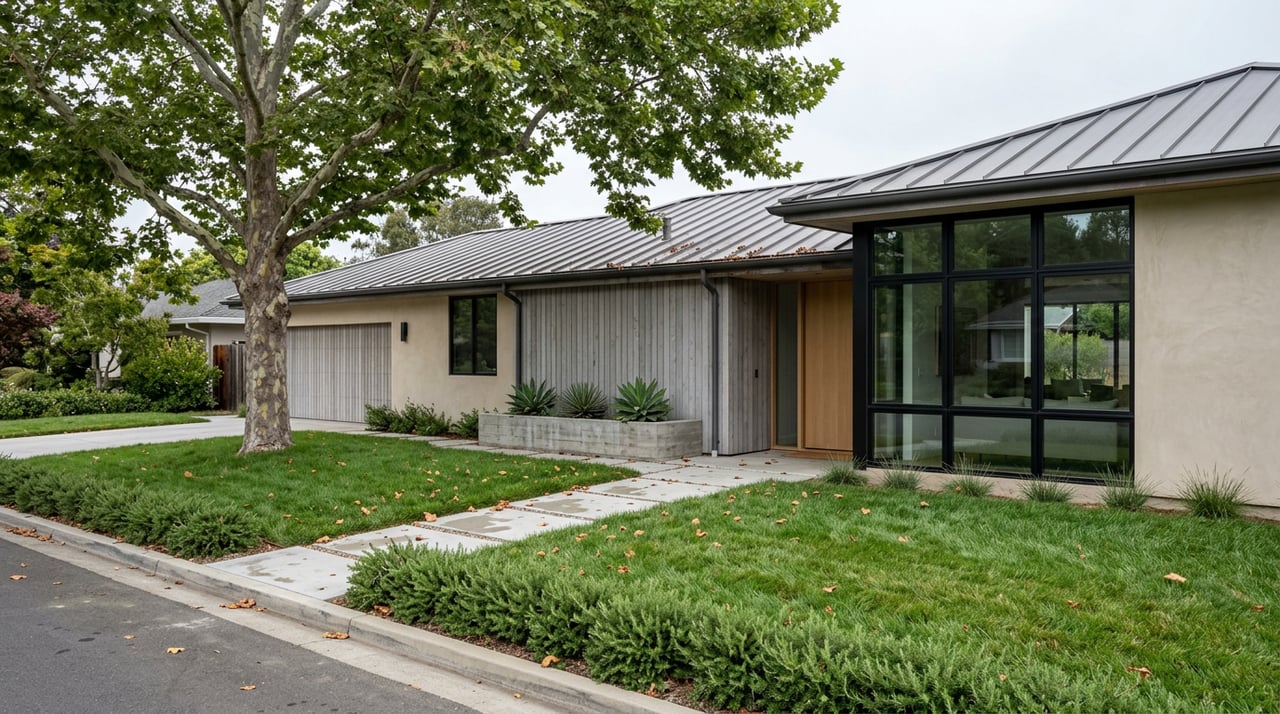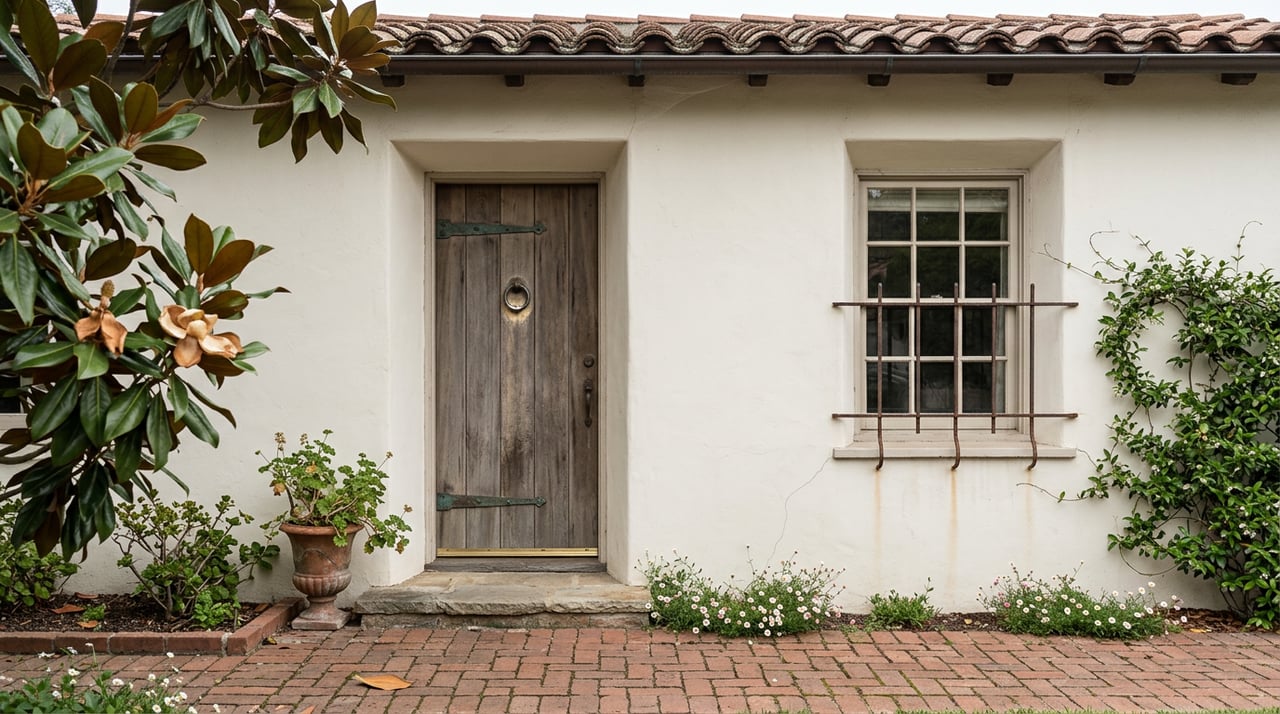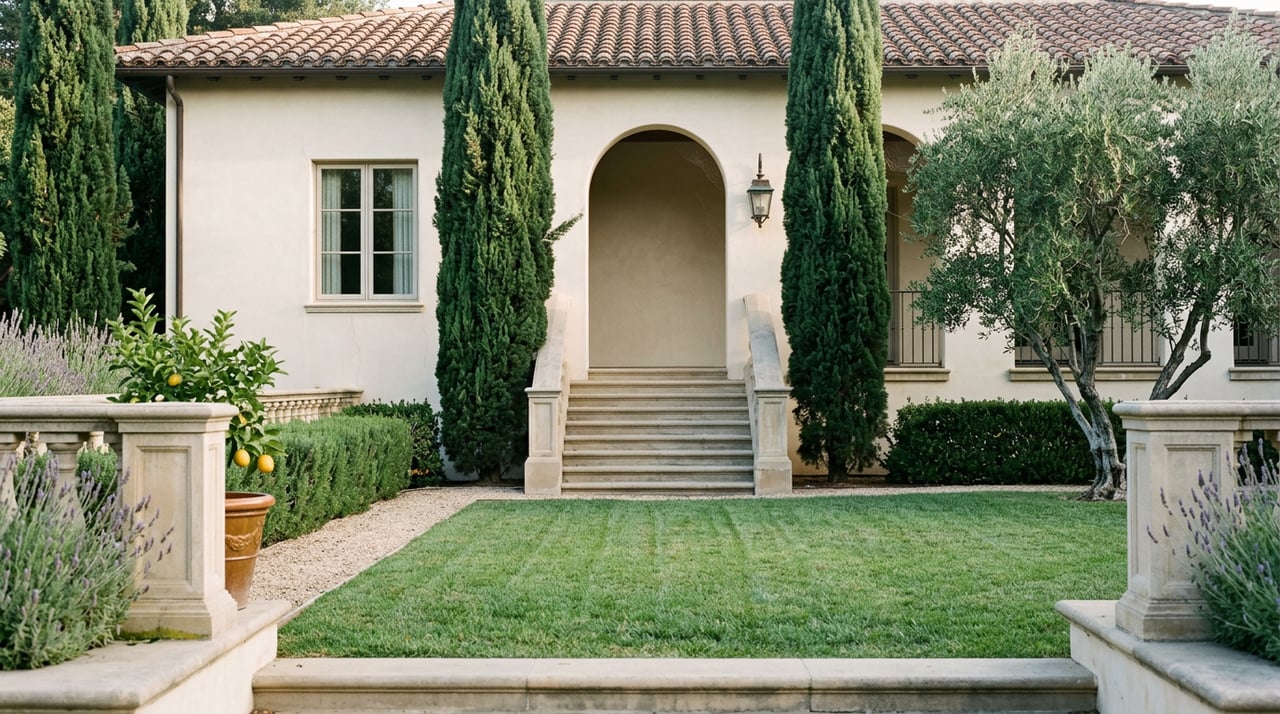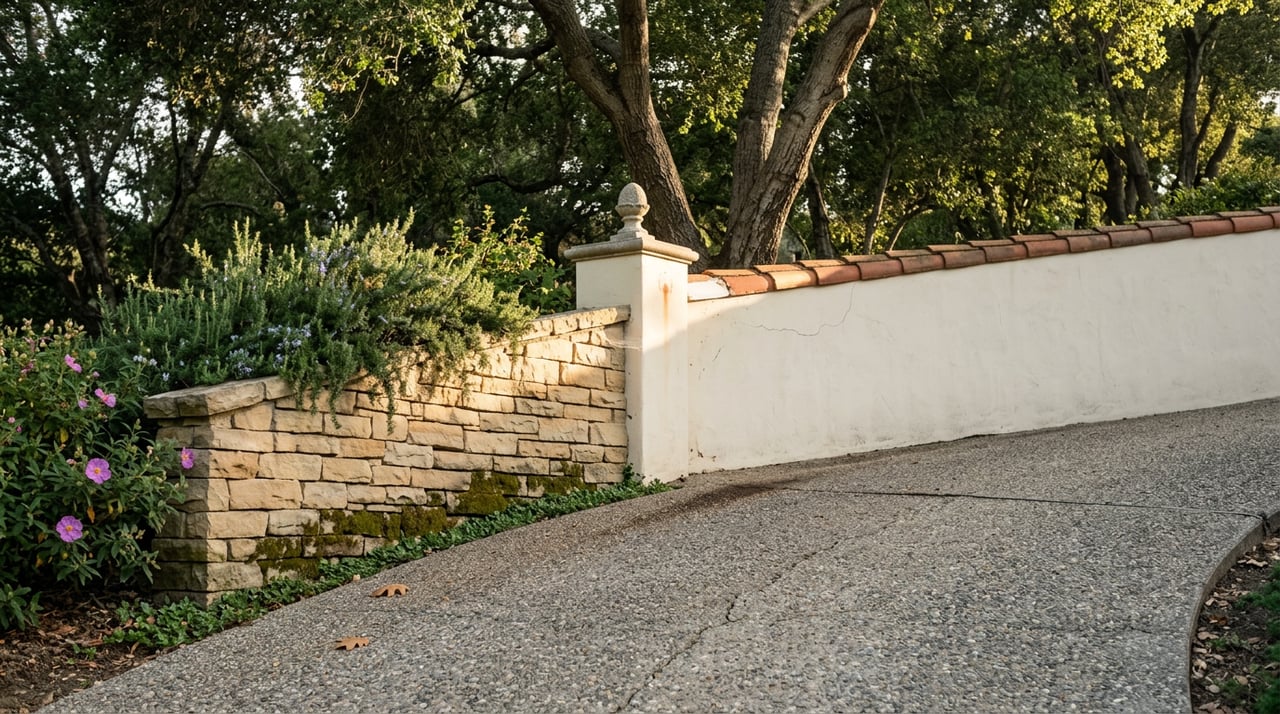
Drive both neighborhoods in the same afternoon and the price gap feels obvious before you ever open a listing sheet. The Riviera reads like old money on a hillside. The Mesa reads like a beach town that got lucky with its real estate. The data backs up the first impression: current Riviera listings carry a median price near $3.15 million, down 13 percent over the past year but still well ahead of the Mesa's $2.1 million median sold price over the three months ending May 2026.
What that comparison leaves out is the part that should give a buyer pause. Riviera homes are taking longer to sell than Mesa homes, not shorter, even though they cost roughly a third more. If price and speed usually move together in a tight market, this pair of neighborhoods is quietly proving the exception, and the reason has less to do with taste than with topography.
The Number That Doesn't Add Up
In most markets, the more expensive neighborhood also clears faster, because higher demand relative to a fixed supply tends to compress days on market along with pushing up price. Two snapshots of Riviera inventory, pulled in June and July 2026, showed average time on site running 65 to 82 days, depending on the week's small sample. Over the same general window, Mesa homes that actually closed carried a median of 32 days on market, down sharply from 57 days a year earlier.
Those two figures are not measuring the exact same thing. The Riviera numbers track active listings still sitting on the site; the Mesa numbers track completed sales. That distinction matters, and any comparison should say so plainly rather than pretend the two are interchangeable. But the gap is large enough, and consistent enough across separate pulls, that it points to something real rather than a quirk of timing.
| The Riviera | The Mesa | |
|---|---|---|
| Typical price | $2.9M to $3.15M, active listings, June to July 2026 | $2.1M median sold price, three months ending May 2026 |
| Time on market | 65 to 82 days, active listing averages | 32 days median sold, down from 57 days the year before |
| Housing stock | About 2,200 homes, mostly built 1950 to 1990, overseen by the Riviera Association since 1930 | Alta Mesa, East Mesa, and West Mesa combined, roughly $900K to $4M+ |
| Public open space | One 17-acre city park | A 230-acre nonprofit park plus a 70-acre coastal preserve |
Two Miles of Elevation Change Everything
The Riviera stretches about two miles, from Foothill Road down toward Sycamore Canyon Road on its north edge and from the Santa Barbara Mission to North Salinas Street on the south. Most of what sits inside those boundaries went up between 1950 and 1990, Spanish Revival and Modernist homes threaded along narrow, winding roads lined with stone retaining walls. The Riviera Association has watched over the neighborhood since 1930, and its roughly 2,200 homes rarely change hands in large numbers in any given year.
That low turnover cuts a specific way for anyone shopping there today. Fewer trades mean fewer recent comps for an appraiser to lean on, which slows financing on a hillside lot that may already need a specialized survey for grading or access. It also means the buyer pool is naturally smaller: a road that requires a three-point turn to reach a driveway rules out some moving trucks, some delivery services, and some buyers who simply want a wider street. None of that says anything about whether a Riviera home is worth its price. It says something about why a Riviera home, once listed, tends to wait longer for the right match.
The neighborhood's own name gives away the rest of the trade. It was styled after the European Riviera specifically because of its elevated position above the coastal fog, and the views from up there are genuinely part of what you're paying for. What that elevation does not include is a walk to dinner. Despite sitting minutes from downtown by car, the Riviera's steep terrain keeps it out of reach on foot from most of the restaurants and shops that make the flatter parts of town feel walkable.
Why the Mesa Moves Faster
The Mesa earns its name from the same geography that slows the Riviera down, just inverted. It sits on a flat bench of elevated land above the ocean, table-like rather than hillside, which is literally what "mesa" means. That flatness supports its own commercial strip, three elementary schools (Monroe, McKinley, and Washington), and a direct walk or bike ride to Hendry's Beach and the Douglas Family Preserve.
The Mesa also isn't one neighborhood pretending to be three. Alta Mesa, East Mesa, and West Mesa each carry their own character and price range, from cottages in the $900,000s up past $4 million for the oceanview remodels closer to the bluff. That spread means more transactions happening simultaneously across more price points, which keeps the whole area moving even when any single price tier slows down. Before the postwar housing boom filled it in, the same ground had served as an airstrip and an oil field, a reminder that the Mesa's current shape as a settled residential neighborhood is comparatively recent, built on land that was easy to develop precisely because it was flat.
What the Public Parks Tell You
The two neighborhoods' public land tells the same story the housing data does. The Riviera's signature park is Franceschi Park, 17 acres perched at roughly 800 feet, planted more than a century ago by the botanist Francesco Franceschi with hundreds of imported species. The house at its center, later remodeled into a Mediterranean-style villa and gifted to the city in 1931, has sat closed since the early 1990s over safety concerns. The city's Historic Landmarks Commission reviewed a proposal in January 2026 to replace the deteriorating structure with an open-air terrace, and no final decision came out of that hearing. Versions of this same debate have run on and off since the 1970s, largely because the site's steep, hard-to-access location makes almost any project there slower and more expensive than it would be on level ground.
Compare that to the Mesa's public land. The Douglas Family Preserve, 70 acres of undeveloped coastal bluff and the largest open space of its kind in the city, began a round of trail and habitat improvements in 2024 that moved from community meetings to actual work within months. Elings Park, 230 acres run by a nonprofit rather than the city, just marked its 40th anniversary and keeps a running slate of upgrades, from a softball field renovation to Opera in the Park and outdoor performances in the Godric Grove amphitheater, according to the park's own site. One neighborhood's flagship park has been stuck in institutional limbo for half a century. The other's public land keeps finishing projects on a normal civic timeline. That is the same friction showing up in two different systems.
What the Premium Actually Buys
A Riviera address buys view corridors that stretch from the Channel Islands to the harbor, a Mediterranean architectural pedigree, and proximity to the Riviera Theatre, a 1926 building that still hosts the Santa Barbara International Film Festival, along with the historic El Encanto Hotel. It buys membership in a community that has changed hands slowly enough that many of its homes have been in the same family for decades.
What it doesn't buy is speed. The same steep, narrow roads that keep the Riviera quiet and private also narrow the buyer pool and complicate financing on a hillside lot. The same low turnover that protects long-term privacy also means thinner data for pricing a home accurately today. A Mesa buyer trades some of that pedigree for a flatter lot, a shorter walk to the beach, and a market that has been closing sales in a median of 32 days.
If You're Weighing the Two
- If daily walkability to shops and restaurants matters more than architectural pedigree, the Mesa's built-in commercial district changes everyday life more than a Riviera address does.
- If privacy and long-term view corridors matter more, understand that thin turnover cuts both ways. Fewer comps work against you as a buyer pricing an offer, and fewer competing listings will work for you when you eventually sell.
- Build extra time into escrow on a Riviera hillside lot. Inspections and appraisals on steep parcels often take longer than they do on level ground, and the pool of homes actively listed there at any given time tends to run in the single digits to around a dozen.
- Ask for closed-sale days on market specifically for the Riviera, not just the active-listing average most sites display. The two numbers answer different questions, and only one of them tells you how long a comparable home actually took to sell.
A Few Questions Worth Asking Before You Choose
Does the Riviera's price premium track lot size? Not evenly. Riviera parcels vary widely because of the terrain, and a steep lot's footprint often overstates its usable flat area. The premium tracks view corridor and address more closely than raw square footage.
Can you get Riviera-caliber ocean views on the Mesa? Some of it, particularly the West Mesa and Alta Mesa parcels closer to the bluff above Hendry's Beach, though the outlook and 800-foot vantage point of the Riviera are a different vantage entirely.
Why did the Mesa's time on market drop so much? Sold homes there moved from a median 57 days a year earlier to 32 days over the three months ending May 2026, a shift that tracks a broader pickup in sales activity across that price tier rather than any single cause.
Comparing two neighborhoods on price alone gets you half the picture. The other half is how long it actually takes to close, what that wait costs you in carrying expenses or lost opportunity, and whether the trade-off matches what you actually want from daily life in Santa Barbara. If you're trying to work out which of these two markets fits your timeline and your budget, Kendrick Guehr can walk through the current inventory on both sides of town and help you price an offer that accounts for more than the headline number.